


The structural changes taking place in 2026, like those in 1974, will outlast the conflict
 Commentary
Colin Foreman
Editor
The conflict with Iran is threatening to recalibrate the global energy system. The effective closure of the Strait of Hormuz has caused an energy security crisis reminiscent of the shocks of the 1970s – both in scale and in its potential long-term implications.
 The 1973-74 energy crisis, triggered by an Opec oil embargo, sent prices soaring and altered the trajectory of the global economy. It spurred the creation of the International Energy Agency, the development of strategic petroleum reserves and a wave of energy-efficiency policies. It also cemented energy-for-security arrangements between the West and the Gulf – relationships now being tested again by the latest conflict.
Today’s disruption – 11 million barrels of oil a day and around 20% of global liquefied natural gas (LNG) shipping capacity – creates a deficit that far exceeds the roughly 5 million barrels a day removed from the market in 1973.
While the shocks of the 1970s ushered in a decade of stagflation and a lasting shift towards diversified supply, the current crisis could accelerate demand destruction and a pivot towards energy sovereignty.
The story is a developing one. From Vietnam’s cancellation of LNG projects in favour of renewables to the surge in electric vehicle adoption across Europe, the perceived unreliability of traditional supply routes is forcing an unprecedented reorientation of capital.
The Middle East – long the indispensable heartbeat of global industry – now risks sustained challenges to its market share as producers in the US, Russia, Africa and South America develop new projects unencumbered by reliance on the Strait of Hormuz.
The structural changes taking root in 2026, like those in 1974, will outlive the conflict itself. Even a swift cessation of hostilities may not allow markets to return to their pre-conflict norms.
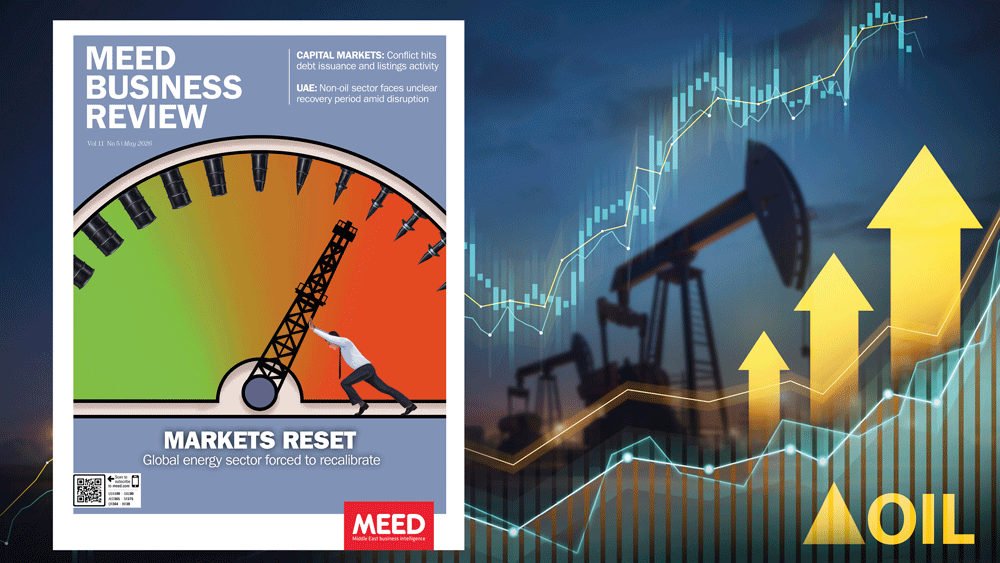
 READ THE MAY 2026 MEED BUSINESS REVIEW – click here to view PDF
Global energy sector forced to recalibrate; Conflict hits debt issuance and listings activity; UAE’s non-oil sector faces unclear recovery period amid disruption.
Distributed to senior decision-makers in the region and around the world, the May 2026 edition of MEED Business Review includes:
> REGIONAL LNG: War undermines business case for Middle East LNG > CAPITAL MARKETS: Damage avoidance frames debt issuance > MARKET FOCUS: Conflict tests UAE diversification |
To see previous issues of MEED Business Review, please click here

You might also like...


A MEED Subscription...
Subscribe or upgrade your current MEED.com package to support your strategic planning with the MENA region’s best source of business information. Proceed to our online shop below to find out more about the features in each package.
Take advantage of our introductory offers below for new subscribers and purchase your access today! If you are an existing client, please reach out to your account manager.